What Should I Know About Flood Zones in Washington State?
Home Buying
Home Buying
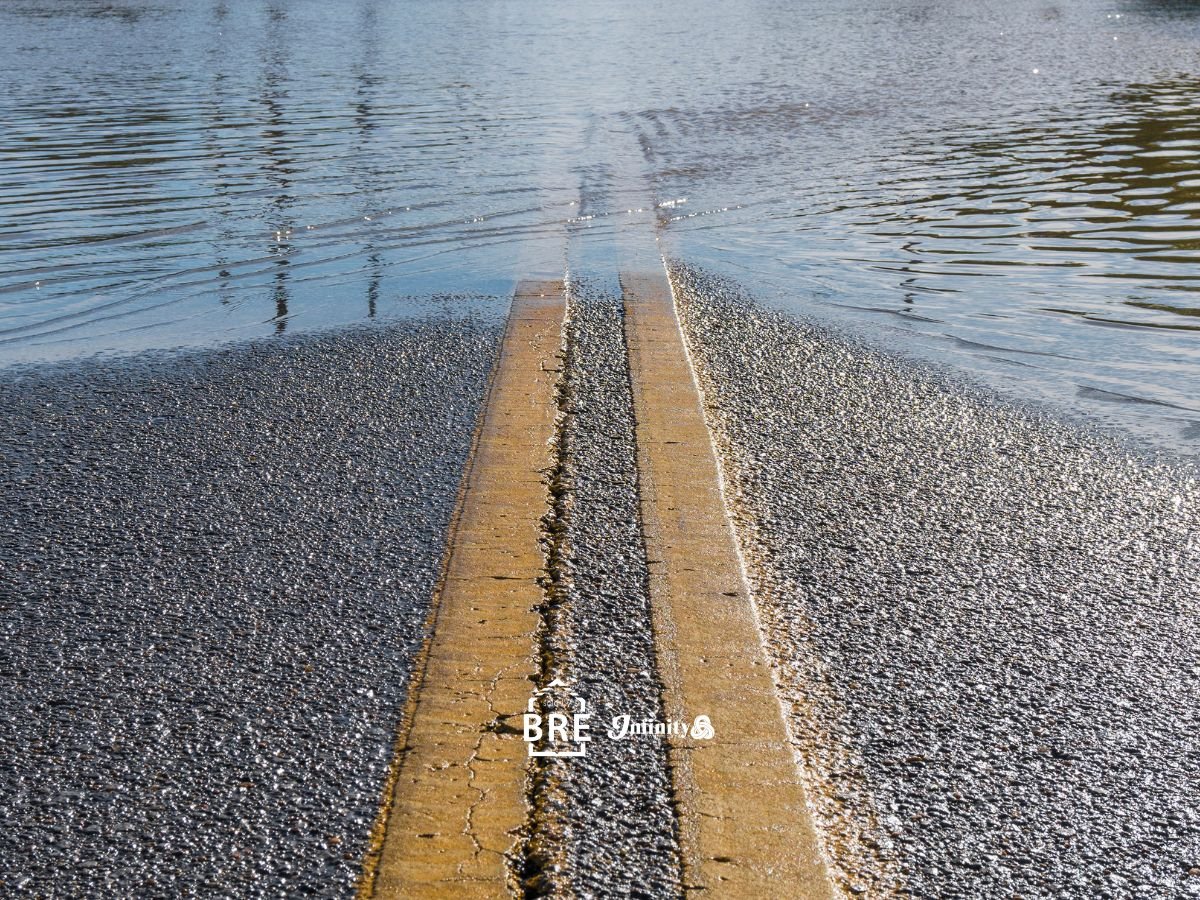
Finding out a home is located in or near a flood zone doesn't automatically mean you shouldn't buy it. But it does mean there are a few additional things I want my buyers to understand before moving forward.
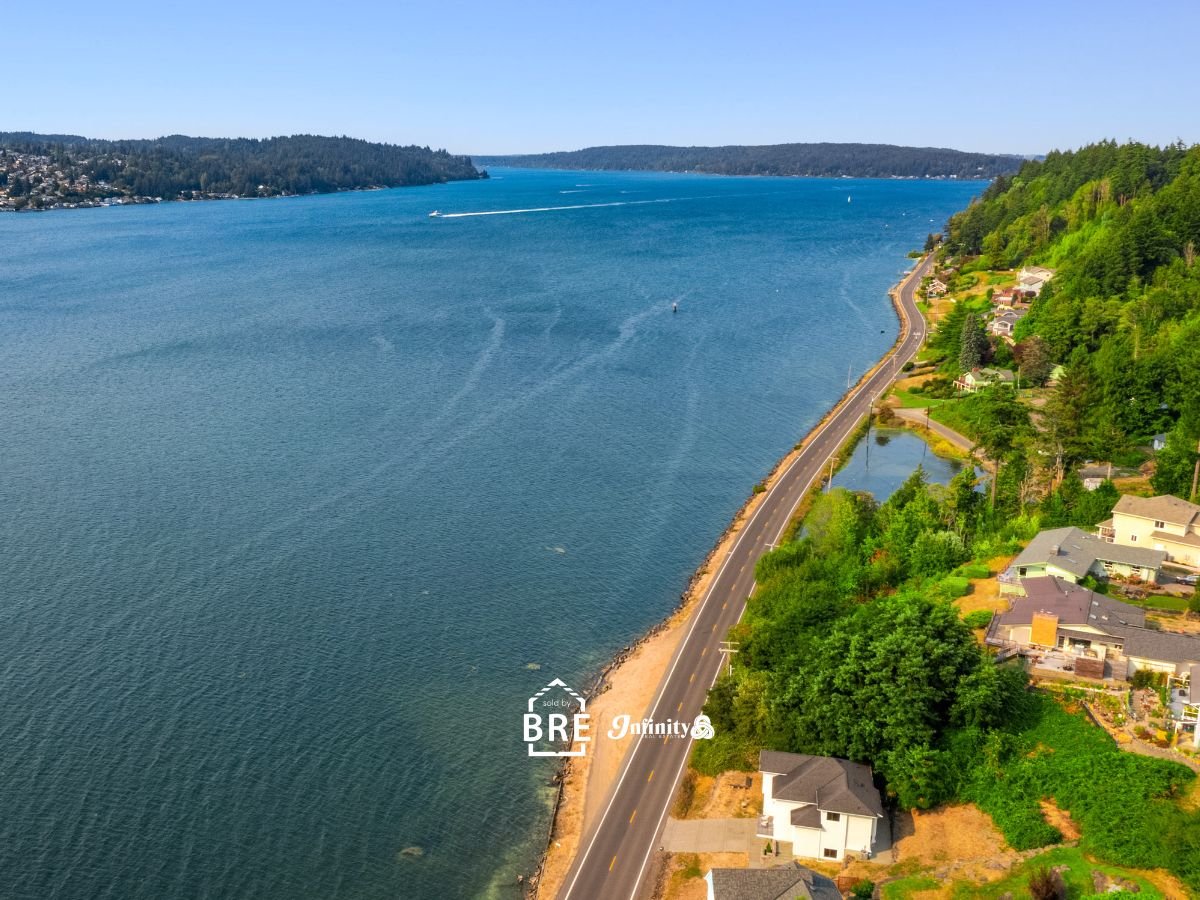
In Washington, flood risk can come from rivers, streams, coastal areas, heavy rainfall, drainage issues, and other sources. Here in Kitsap County, waterfront and low-lying properties can make understanding flood risk especially important.
FEMA creates Flood Insurance Rate Maps that identify different levels of flood risk.
Zones beginning with A, such as AE, generally identify areas with a 1 percent or greater annual chance of flooding. V and VE zones are coastal high-hazard areas that also have risks associated with waves.
You may also see Zone X. Shaded Zone X generally represents an area with moderate flood risk, while unshaded Zone X represents areas FEMA considers to have minimal mapped flood risk.
One important point: being outside a high-risk flood zone does not mean a property can never flood.
If a property is located in a FEMA Special Flood Hazard Area and you're obtaining a federally backed mortgage, your lender will generally require flood insurance.
Even when it isn't required by your lender, you may still want to investigate the property's flood history and the cost and availability of coverage.
If I'm working with a buyer considering a property with identified flood risk, I recommend getting an insurance quote before the inspection or financing contingencies expire whenever possible. The cost of insurance should be part of your decision, not something you discover right before closing.
Flood maps are an important starting point, but they aren't the only thing I consider.
Washington recommends contacting the local government to understand property-specific floodplain regulations. Cities and counties may have additional requirements affecting development, additions, substantial improvements, or rebuilding.
I also want to understand the property's elevation, drainage, previous flooding, nearby waterways, and whether any structures sit within a mapped flood area.
This is especially important if you're buying a property because of its future potential.
Development within a floodplain may require additional permits or construction standards. Depending on the property and jurisdiction, restrictions could affect additions, new structures, substantial improvements, or how a building must be elevated or flood-proofed.
Before assuming you can expand or redevelop the property, verify your plans with the local jurisdiction.
Possibly. A flood zone isn't automatically a deal breaker.
As a Kitsap County real estate agent, I want my buyers to understand the actual risk, insurance costs, property history, financing requirements, and potential restrictions before making that decision.
Two waterfront homes can look very similar while having completely different flood designations and risks. Knowing those details before you buy can make a big difference.
Stay up to date on the latest real estate trends.
Home Buying
Home Buying

Home Buying
Home Buying
Home Buying
Home Buying
Home Buying
Home Buying
My expansive network and white-glove service ensure a bespoke experience for both buyers and sellers. Let me find your dream home today.