How Does Homeowners Insurance Work in Washington?
Home Buying

Home Buying
Homeowners insurance is one of those expenses buyers know they'll have, but many don't really understand what they're paying for until they need it.
If you're financing a home, your lender will generally require you to maintain homeowners insurance. But the policy does much more than protect the lender. It can help protect your home, belongings, and finances if something unexpected happens.
A standard homeowners policy usually includes several types of coverage.
Dwelling coverage helps repair or rebuild the home after a covered loss. Other structures coverage can apply to things like detached garages, sheds, or fences. Personal property coverage helps protect your belongings.
Policies also typically include personal liability coverage if you're legally responsible for someone else's injury or property damage.
Another important piece is loss of use coverage, sometimes called additional living expenses. If a covered loss makes your home temporarily unlivable, this can help with additional expenses while repairs are completed.
This is where I want buyers to pay attention.
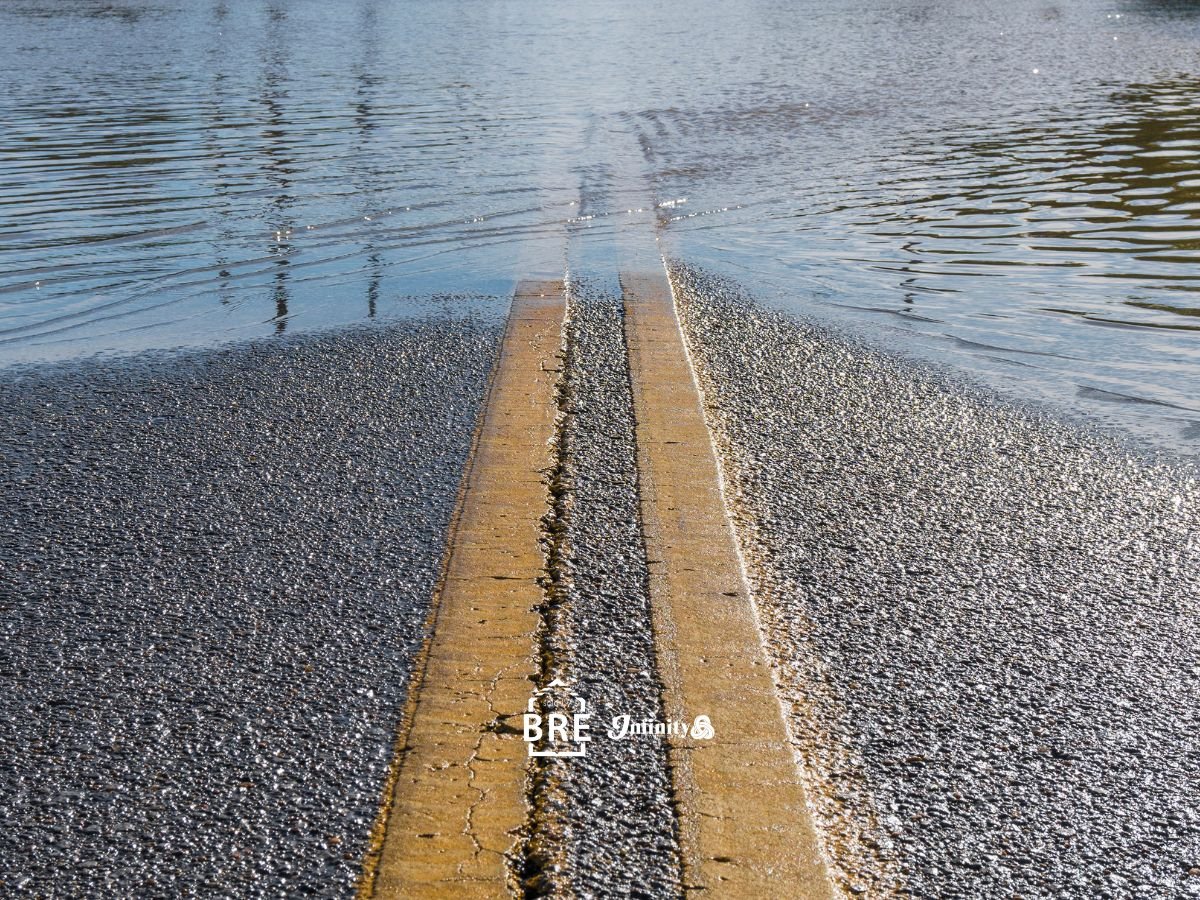
Standard homeowners insurance generally does not cover flooding, earthquakes, or landslides. Separate or additional insurance may be available for those risks.
That can be especially important in Washington, where the location and characteristics of the property may create risks you don't immediately see during a showing.
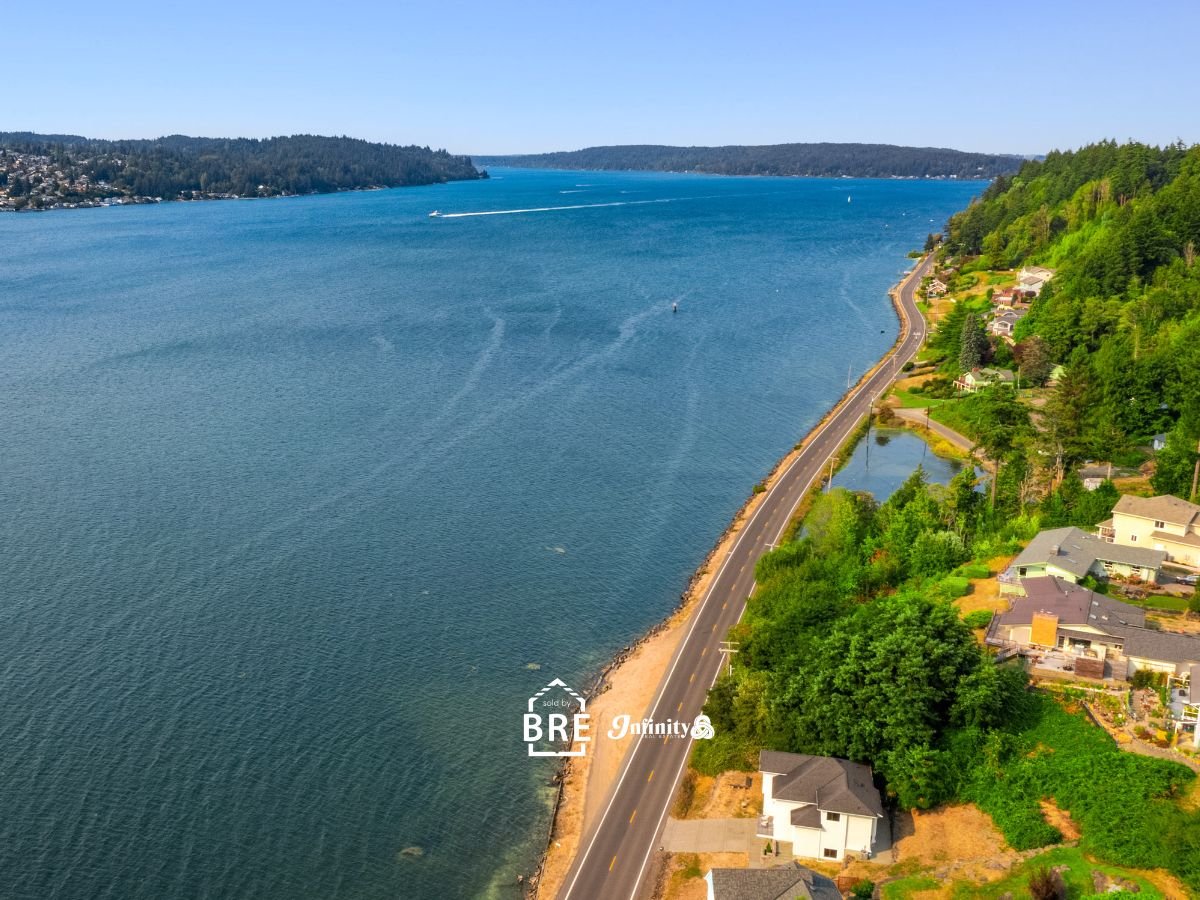
For a waterfront or low-lying property, for example, I would want my buyer to investigate flood risk and insurance separately.
These terms can make a big difference if you ever have a claim.
Replacement cost coverage generally pays to repair or replace covered property at today's cost, up to applicable policy limits and terms. Actual cash value takes depreciation into consideration.
When comparing insurance quotes, don't look at the premium alone. Make sure you're comparing the actual coverage you're receiving.
I recommend doing it early in the home-buying process, not a few days before closing.
Insurance companies evaluate the specific property when determining whether they'll insure it and what the premium will cost. The home's location, age, condition, roof, claims history, and other risk factors may affect the quote.
For older homes, waterfront properties, unique homes, or properties with previous claims, getting that information early can be particularly important.
Ask what your policy covers, what it excludes, your deductible, whether the dwelling coverage is sufficient to rebuild the home, and whether your personal property is covered at replacement cost or actual cash value.
I would also ask whether the property has any characteristics that could make it more difficult or expensive to insure.
As a Kitsap County real estate agent, I encourage my buyers to treat insurance as part of their due diligence. Finding out what a home will cost to insure and whether you need additional coverage before closing can help you understand the true cost of owning the property.
Stay up to date on the latest real estate trends.
Home Buying
Home Buying
Home Buying
Home Buying
Home Buying
Home Buying
Home Buying
Home Buying
My expansive network and white-glove service ensure a bespoke experience for both buyers and sellers. Let me find your dream home today.